Gender
Prints, such as the enlarged reproduction of a woodcut from the Swiss physician and alchemist Leonhard Thurneysser’s book Quinta Essentia (1574) seen here, could function as teaching tools, diagraming the four temperaments as gendered attributes of bodies. The temperaments developed masculine and feminine associations that reinforced the idea that melancholic and phlegmatic temperaments were more appropriate for women, and the choleric and sanguine temperaments were better suited to men.
Read in a contemporary light, this illustration also suggests that the potential for all temperaments (and genders) resides within a single body. Prints in this section nuance the four humors as not strictly masculine or feminine. Like gender, the temperaments are fluid. These prints further suggest that issues of labor, class, race, and sexuality are inherently tied to gender performativity and thus temperamental interpretation.




This page has paths:
- Tour the Exhibition Carrie Robbins
Contents of this tag:
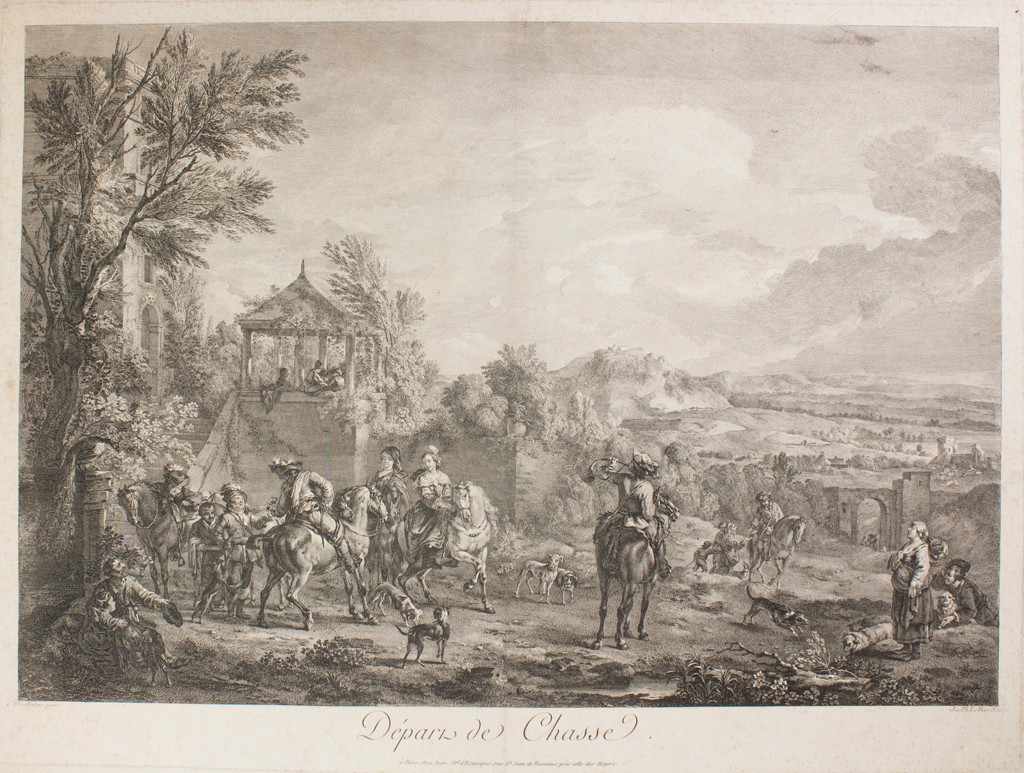
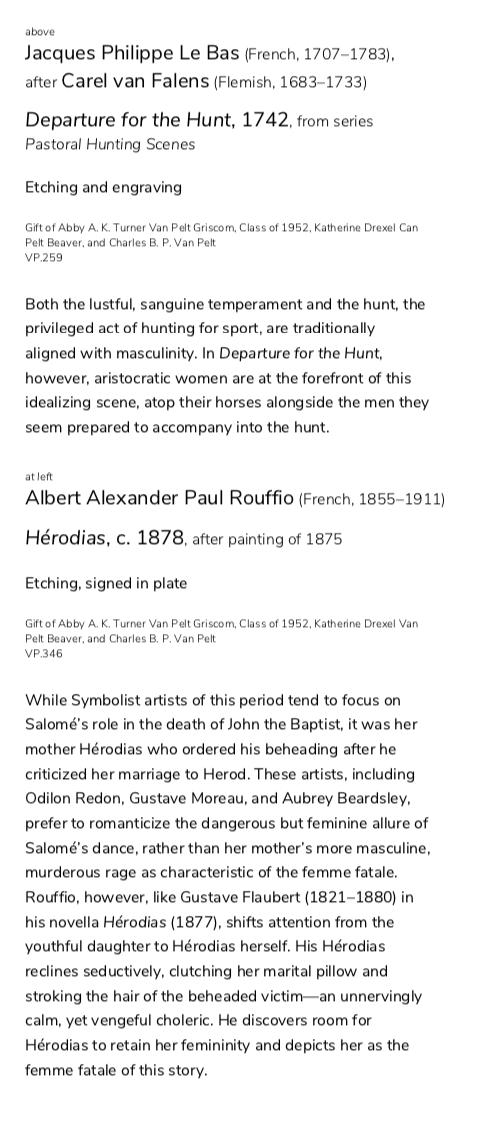
- Jacques Philippe Le Bas (French, 1707-1873), after Carel van Falens (Flemish, 1683-1733); Departure for the Hunt (1742). Etching and engraving; Gift of Abbey A. K. Turner Van Pelt Grimscom, Class of 1952, Katherine Drexel Van Pelt Beaver, and Charles B.
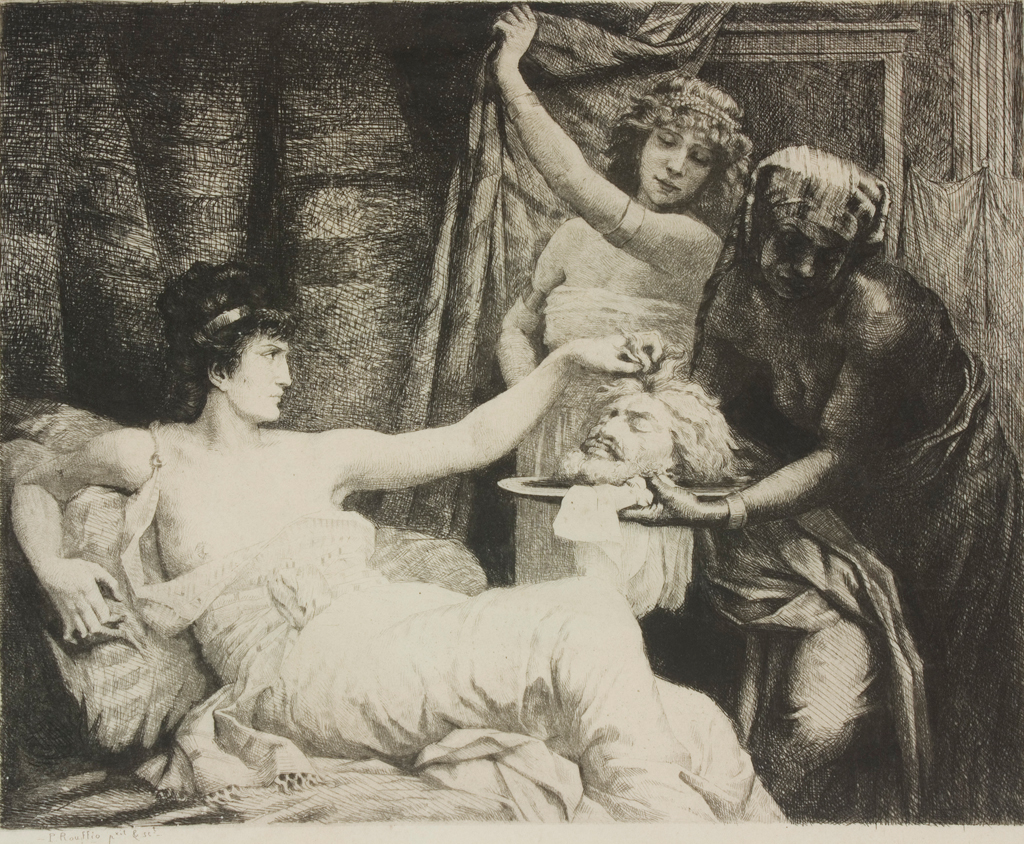
- Albert Alexander Paul Rouffio (French, 1855-1911), Hérodias (c. 1878), after painting of 1875. Etching; signed in plate; Gift of Abbey A. K. Turner Van Pelt Grimscom, Class of 1952, Katherine Drexel Van Pelt Beaver, and Charles B. P. Van Pelt; VP.346
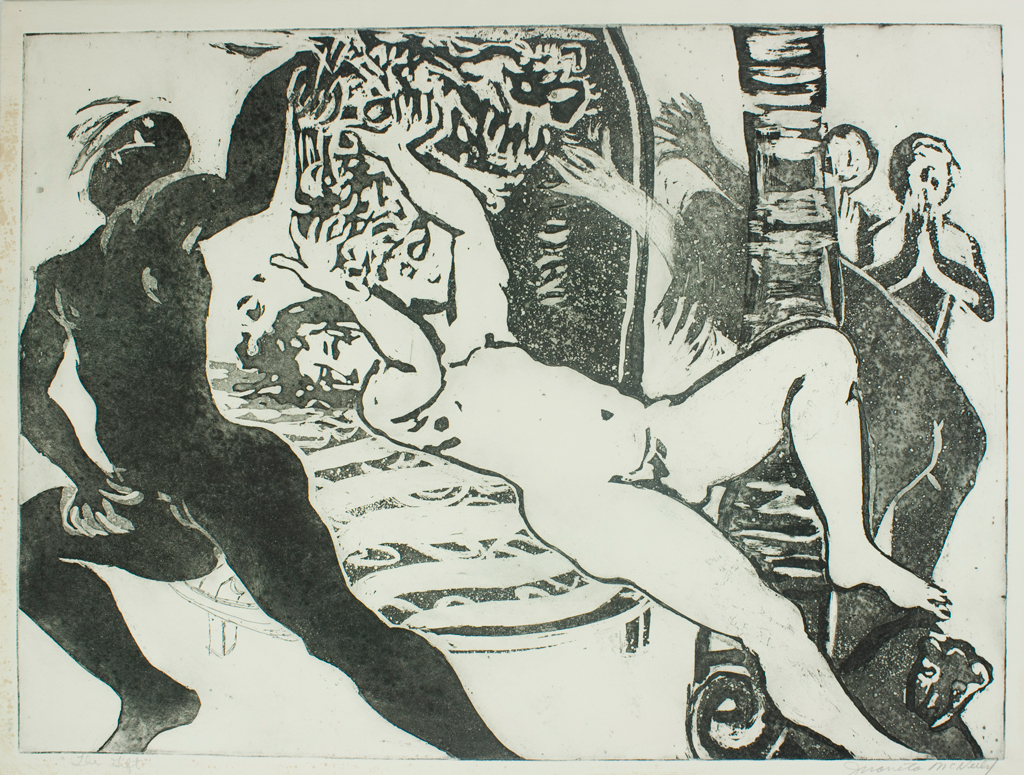
- Juanita McNeely (American, b. 1936), The Gift (1969-1970). Aquatint, signed in pencil below, Gift of Bill Scott to The William and Uytendale Scott Memorial Study Collection of Works by Women Artists, 2006.1.202.
- McNeely
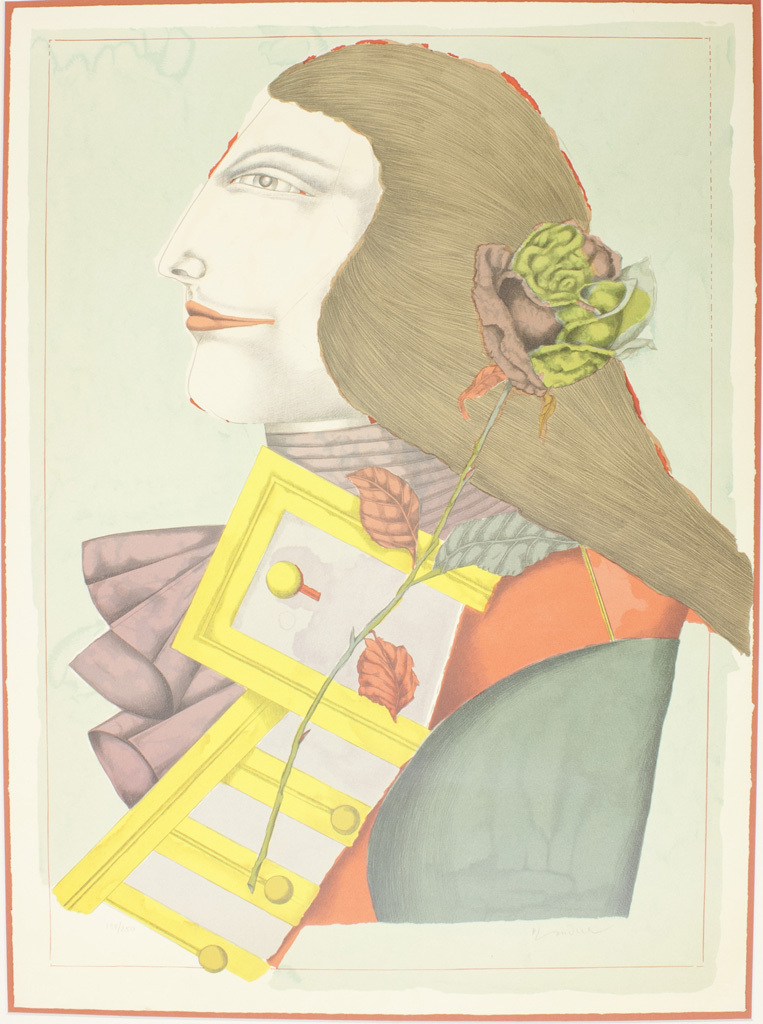
- Richard Linder (German-American, 1901-1978), Der Rosencavalier (The Knight of the Rose) (1977). Color lithograph; edition 193/250; signed in pencil; Gift of Jacqueline Koldin Levine, Class of 1946, and Howard H. Levine; 2012.27.413
- Le Bas_Rouffio
- Linder
This page references:
- Jacques Philippe Le Bas (French, 1707-1873), after Carel van Falens (Flemish, 1683-1733); Departure for the Hunt (1742). Etching and engraving; Gift of Abbey A. K. Turner Van Pelt Grimscom, Class of 1952, Katherine Drexel Van Pelt Beaver, and Charles B.
- Albert Alexander Paul Rouffio (French, 1855-1911), Hérodias (c. 1878), after painting of 1875. Etching; signed in plate; Gift of Abbey A. K. Turner Van Pelt Grimscom, Class of 1952, Katherine Drexel Van Pelt Beaver, and Charles B. P. Van Pelt; VP.346
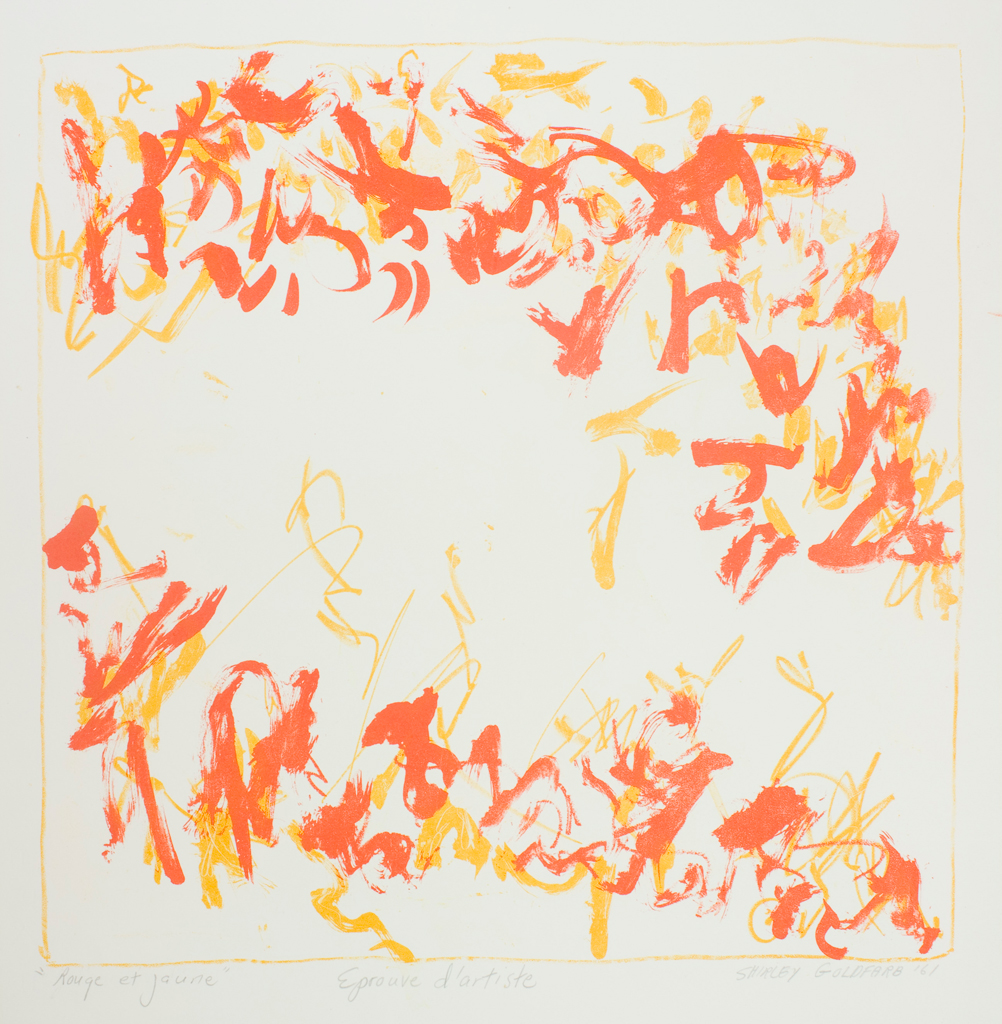
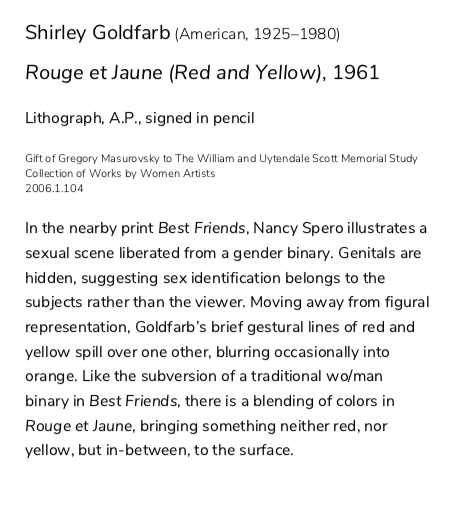
- Shirley Goldfarb (American, 1925-1980), Rouge et Jaune (Red and Yellow) (1961), Lithograph, A. P., signed in pencil, Gift of Gregory Mausrovsky to the William and Uytendale Scott Memorial Study Collection of Works by Women Artists, 2006.1.104.
- Juanita McNeely (American, b. 1936), The Gift (1969-1970). Aquatint, signed in pencil below, Gift of Bill Scott to The William and Uytendale Scott Memorial Study Collection of Works by Women Artists, 2006.1.202.
- Goldfarb
- Le Bas_Rouffio
- Linder
- McNeely
- Spero
- Richard Linder (German-American, 1901-1978), Der Rosencavalier (The Knight of the Rose) (1977). Color lithograph; edition 193/250; signed in pencil; Gift of Jacqueline Koldin Levine, Class of 1946, and Howard H. Levine; 2012.27.413
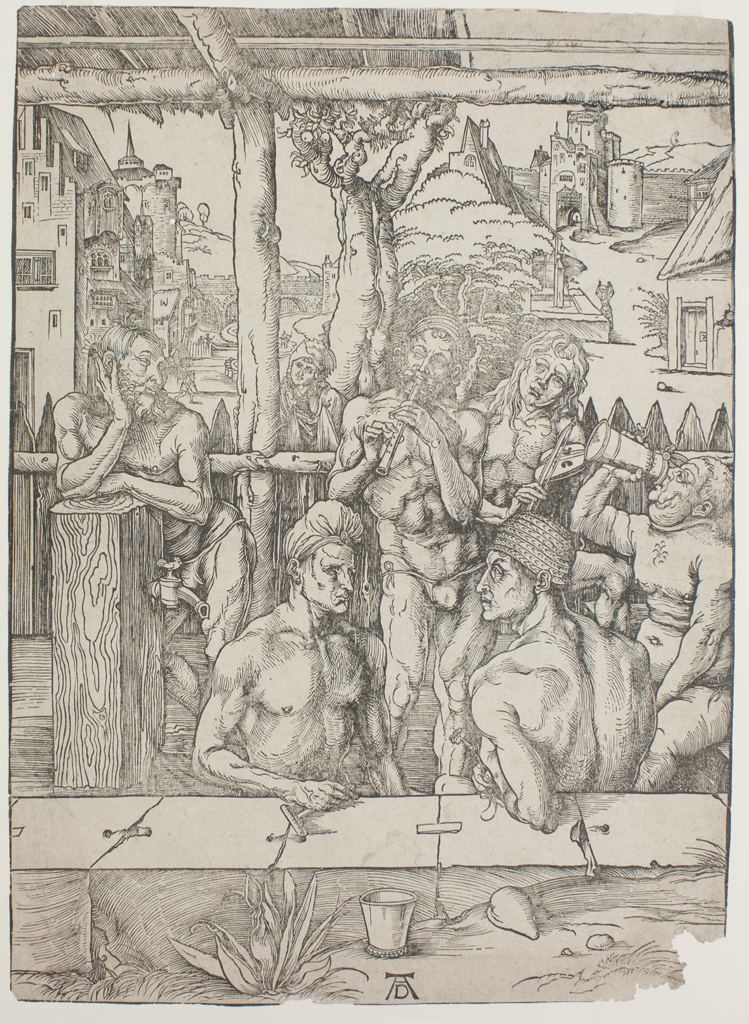
- Albrect Dürer (German, 1471-1528), The Men's Bath House (late 16th century?). Woodcut on laid paper; monogram in plate; Gift of Howard L. Gray, Professor of History, 1915-1940; 1946.26
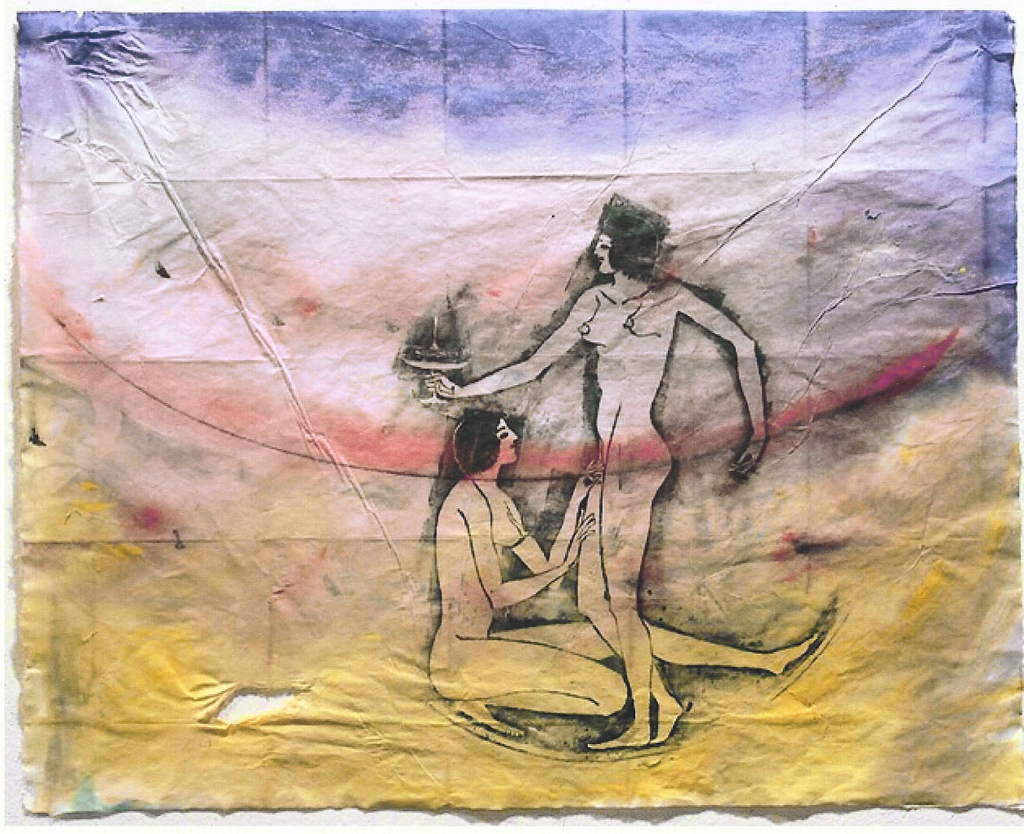
- Nancy Spero (American, 1962-2009), Best Friends (2001). Handprinting on handmade paper, signed in pencil, Purchased with Delphine Fitz-Darby Fund, 2002.16.2.
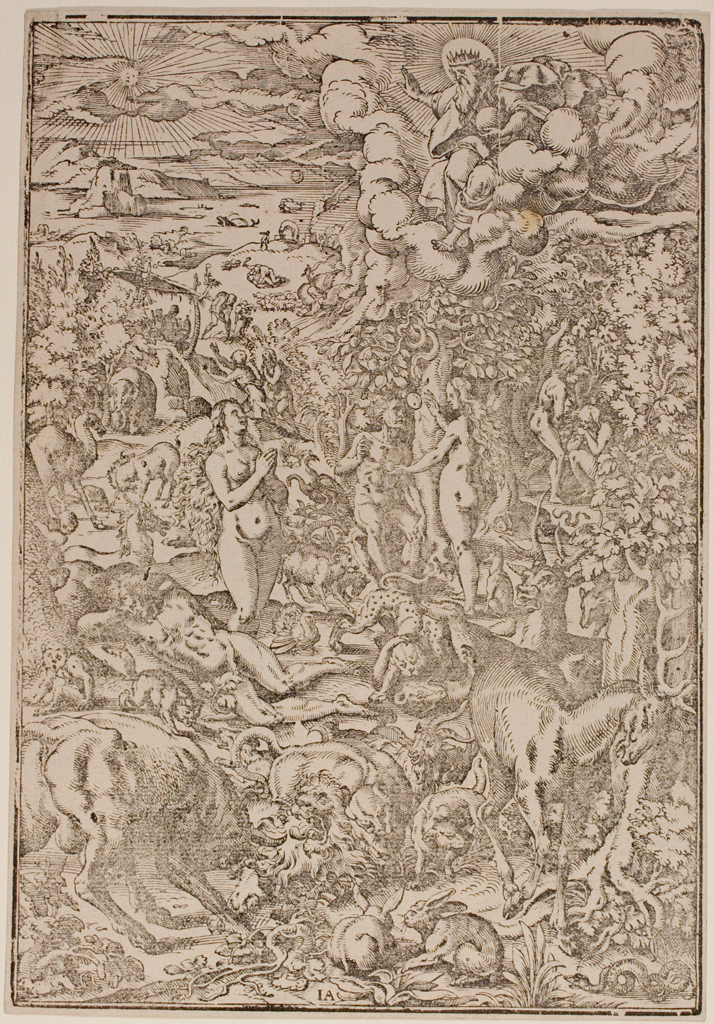
- Jost Amman (German, 1539-1591), Adam and Eve in Paradise (1580). Woodcut; monogram in plate; Gift of Howard L. Gray, Professor of History, 1915-1940; 1946.27
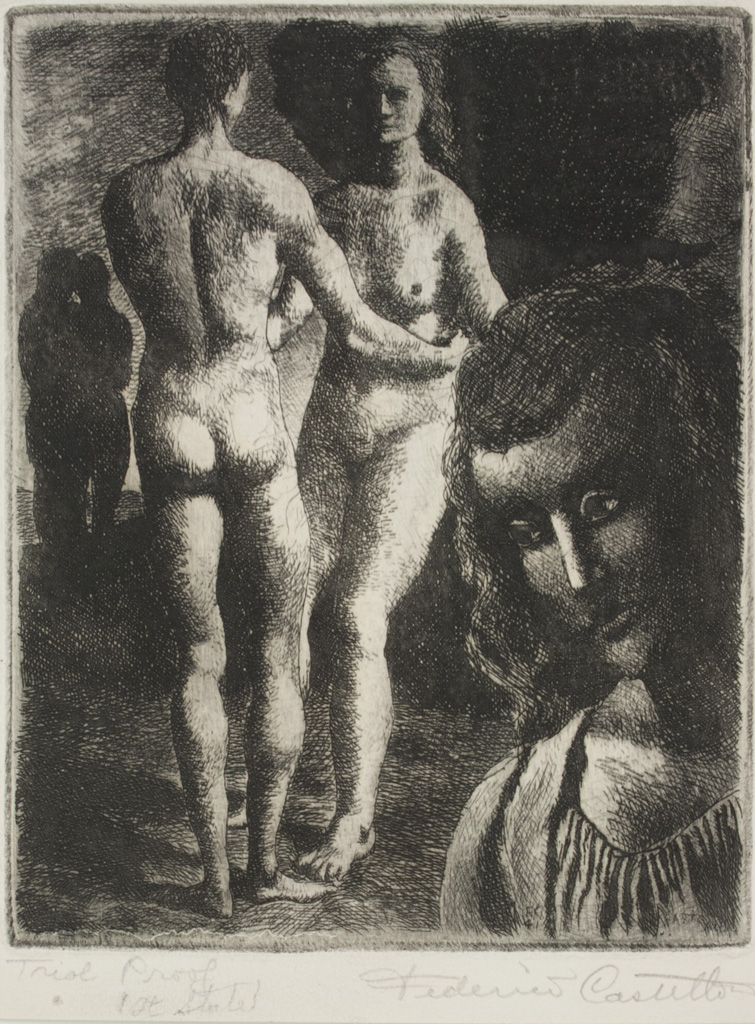
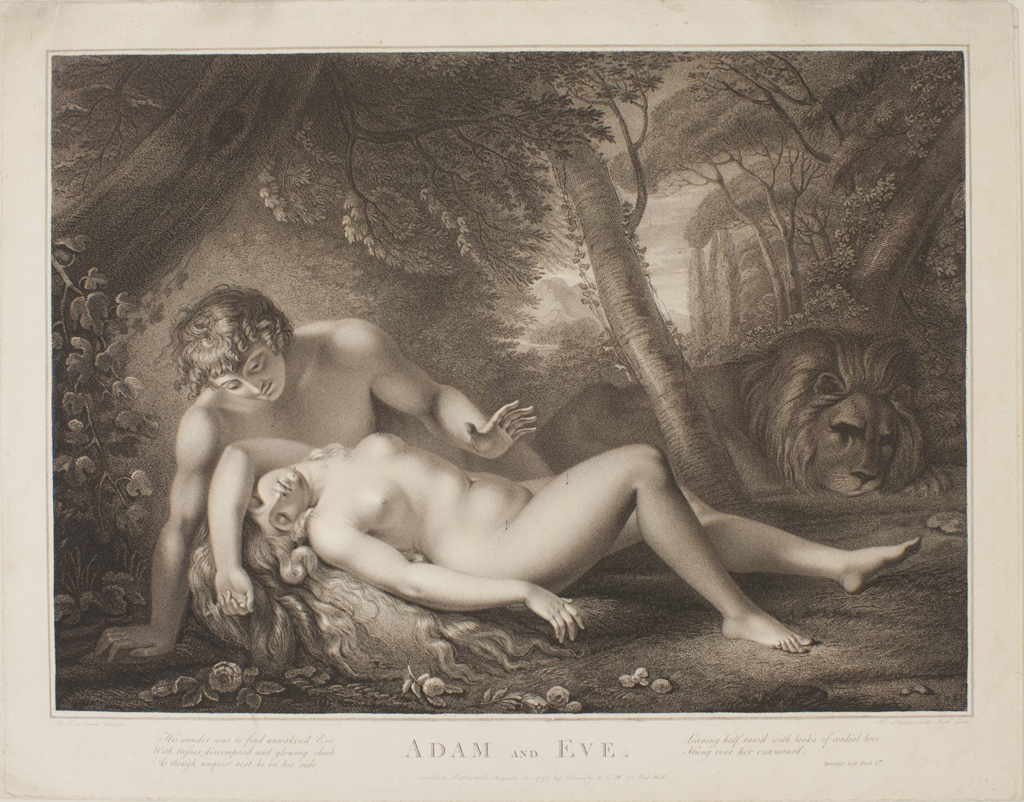
- Amman_Castellón_Schiavonetti
- Federico Castellón (Spanish-American, 1914-1971), Adam and Even (1941). Etching; trial proof of 1st state; signed in pencil below; Gift of Jacqueline Koldin Levine, Class of 1946, and Howard H. Levine; 2012.27.149
- Dürer_Walker
- Luigi Schiavonetti (Italian, 1765-1810), after Henry Tresham (Irish, c. 1756-1814); Adam and Eve (1773-1795). Stipple engraving; published 1795 by P. & D. Colnaghi & Co.; Gift of Abby A. K. Turner Van Pelt Grimscom, Class of 1952, Katherine Drexel Van Pel